

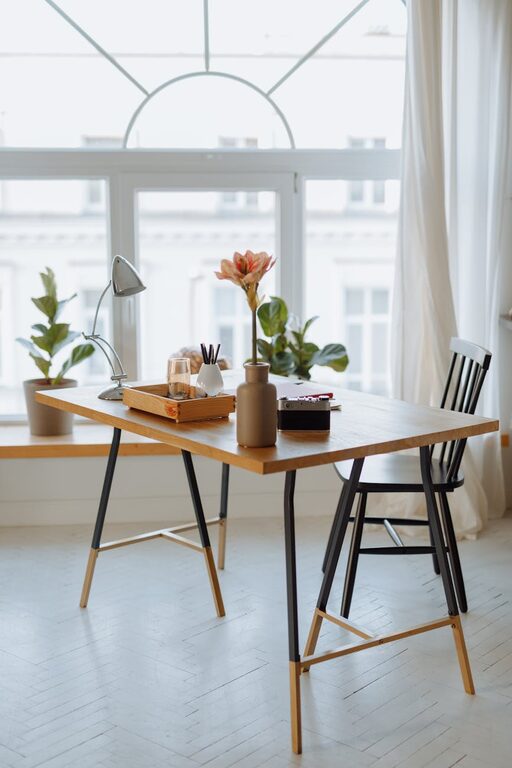
Working from home offers flexibility, but creating a comfortable and inviting workspace can make a big difference in how productive and motivated you feel. A cozy home workspace not only enhances your efficiency but also helps reduce stress and improve your overall mood. Here are practical tips to design a home office that feels warm, welcoming, and perfectly tailored to your needs.
1. Choose the Right Location
Start by selecting a spot in your home that offers enough space and good natural light. If possible, pick a quiet corner away from distractions, but close enough to feel connected to the rest of your home. A well-lit area can reduce eye strain and brighten your mood.
Consider natural light
Natural sunlight improves focus and energy levels. Position your desk near a window to take advantage of daylight. If natural light is limited, invest in quality task lighting with adjustable brightness.
2. Invest in Comfortable Furniture
Ergonomics matter. Choose a chair and desk that support good posture to avoid discomfort during long work sessions.
– Ergonomic chair: Look for adjustable height, lumbar support, and comfortable cushioning.
– Desk: Find a surface at the right height. Standing desks or adjustable desks can add variety to your day.
– Footrest: If your feet don’t comfortably reach the floor, add a footrest for extra support.
Comfortable seating and proper desk height prevent fatigue, helping you stay focused for longer.
3. Personalize Your Space
Adding personal touches makes your workspace feel inviting and unique.
– Artwork or photos: Hang prints or place framed photos that inspire or relax you.
– Plants: Greenery adds color and life while improving air quality.
– Decor: Use cushions, rugs, or decorative items that match your style without cluttering the space.
Personalization increases your connection to the area and makes working more enjoyable.
4. Keep Organized and Clutter-Free
A tidy workspace helps clear your mind and improves efficiency.
– Storage solutions: Use shelves, filing cabinets, or storage boxes to keep materials neat.
– Desk organizers: Keep pens, papers, and small items in trays or holders.
– Cable management: Use clips or sleeves to prevent cords from tangling and cluttering your desk.
Develop a routine to tidy your workspace at the end of each day to maintain order.
5. Optimize Lighting
Good lighting is essential for comfort and productivity.
– Use a combination of ambient light (ceiling or wall lights) and task lighting (desk lamps).
– Choose warm light bulbs for a cozy feel, or cool bulbs for alertness.
– Position lights to avoid glare on screens and reduce shadows.
Adjustable lamps can help you tailor lighting to different tasks and times of day.
6. Control Noise Levels
Noise distractions can decrease concentration. Find ways to reduce background noise:
– Use noise-cancelling headphones.
– Add soft furnishings like rugs or curtains that absorb sound.
– Choose a quiet location or use a white noise machine for consistent background sound.
A calmer auditory environment helps maintain focus.
7. Create a Dedicated Tech Setup
Ensure your technology supports your work without causing frustration.
– Arrange your computer, keyboard, and mouse for ergonomic comfort.
– Use a monitor stand to position screens at eye level.
– Consider additional devices like a wireless keyboard, mouse, or external monitor for better usability.
Keeping your devices orderly and functional reduces distractions and technical issues.
8. Incorporate Break Areas
Even in a small workspace, having a spot to pause and refresh can boost productivity.
– Include a comfortable chair or cushion to step away from the desk.
– Place a water bottle or coffee mug nearby to stay hydrated.
– Use a small shelf for books or magazines to enjoy during breaks.
Short breaks in a cozy corner help you recharge and return to work focused.
9. Maintain Good Air Quality
Fresh air improves comfort and cognitive function.
– Open windows when possible for ventilation.
– Add indoor plants that purify the air.
– Use a small fan or air purifier if needed.
A well-ventilated workspace feels more pleasant and keeps energy levels up.
10. Set Boundaries and Schedule
To maintain a cozy workspace’s benefits, establish clear work hours and boundaries.
– Define when your workday starts and ends.
– Communicate boundaries with household members.
– Turn off work notifications after hours to unwind.
Organizing your time helps balance productivity and relaxation.
—
Creating a cozy and inviting home workspace doesn’t have to be complicated or expensive. Focusing on comfort, organization, and personal touches makes your work area a place where you want to spend time, leading to better performance and well-being. Start small, experiment with what works for you, and enjoy your transformed workspace!