

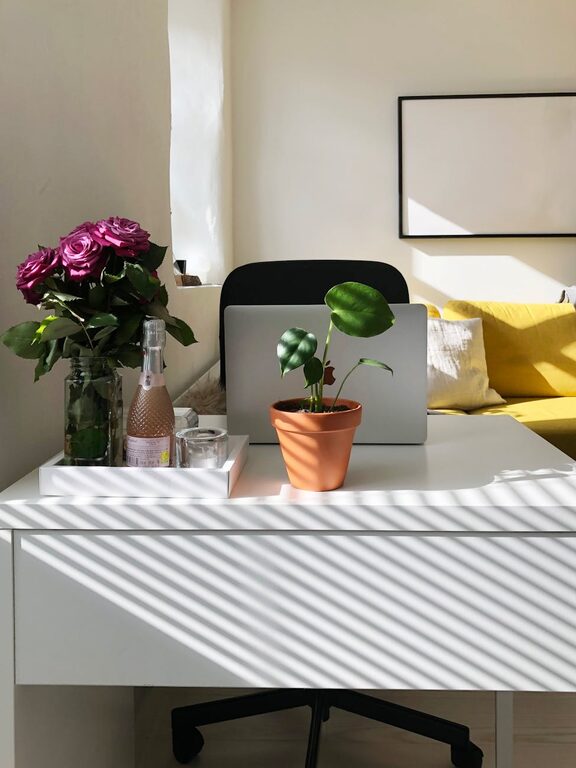
Creating a home office that feels both cozy and functional is essential for maintaining productivity and comfort during your workday. Whether you’re setting up a space for remote work, freelancing, or managing household tasks, a well-designed work area can improve focus, reduce stress, and make your daily routine more enjoyable. In this post, we’ll explore helpful tips to design a home office that suits your needs and style.
Choose the Right Location
Consider Natural Light
Position your desk near a window to benefit from natural light. Sunlight helps boost mood and energy levels. Just make sure to arrange your screen to avoid glare that can strain your eyes.
Minimize Distractions
Select a quiet corner or room away from household traffic. If you don’t have a separate room, use room dividers or a folding screen to create a defined workspace.
Invest in Ergonomic Furniture
Your comfort directly affects your productivity. Ergonomic furniture supports your body and helps prevent strain or injury.
– Desk: Choose a desk that fits your space and allows enough room for your computer, supplies, and other essentials.
– Chair: Look for an adjustable chair with lumbar support. This helps maintain good posture during long hours.
– Monitor Placement: Position your monitor at eye level to reduce neck and shoulder tension.
Organize Your Workspace
Clutter can be distracting and make it harder to focus. Keep your workspace tidy with smart storage solutions.
Use Functional Storage
– Shelves or wall-mounted organizers keep supplies within reach.
– Drawer units under the desk can hide paperwork and tools.
– Desktop organizers help keep pens, notebooks, and chargers arranged neatly.
Cable Management
Untangle and conceal cables with clips, sleeves, or cable boxes. This reduces clutter and hazards around your workspace.
Add Cozy Elements
Comfort is key to creating a space you’ll enjoy spending time in.
Textiles and Soft Materials
Add a cushioned chair pad, a soft rug, or cozy throw blankets. These elements improve comfort and add warmth.
Lighting Options
In addition to natural light, use adjustable desk lamps or floor lamps with warm bulbs. Layered lighting reduces eye strain and creates a welcoming atmosphere.
Personal Touches
Include artwork, plants, or photos that inspire and motivate you. Plants can improve air quality and add a splash of color.
Optimize for Productivity
Create Zones
If space allows, designate separate areas within your office for different tasks—such as computer work, reading, or brainstorming.
Plan Your Layout
Arrange items based on how often you use them. Keep frequently used supplies close at hand and less-used items stored away.
Use Technology Wisely
Invest in reliable internet, a quality headset, and other tools that help you work efficiently. Use apps and calendars to manage tasks and appointments.
Keep Comfort in Mind
Working from home often means spending many hours in the same spot.
– Maintain good ventilation to keep the air fresh.
– Keep a water bottle nearby to stay hydrated.
– Take short breaks to stretch and move around.
Final Thoughts
Designing a cozy and functional home office is about balancing comfort with practicality. By thoughtfully arranging your space and adding elements that reflect your personality, you can create an environment that supports your work and well-being. Remember, your home office is a place where you spend a significant part of your day—make it a space that feels good to be in.